

Remove activation lock on IPHONE without apple id icloud unlock✅
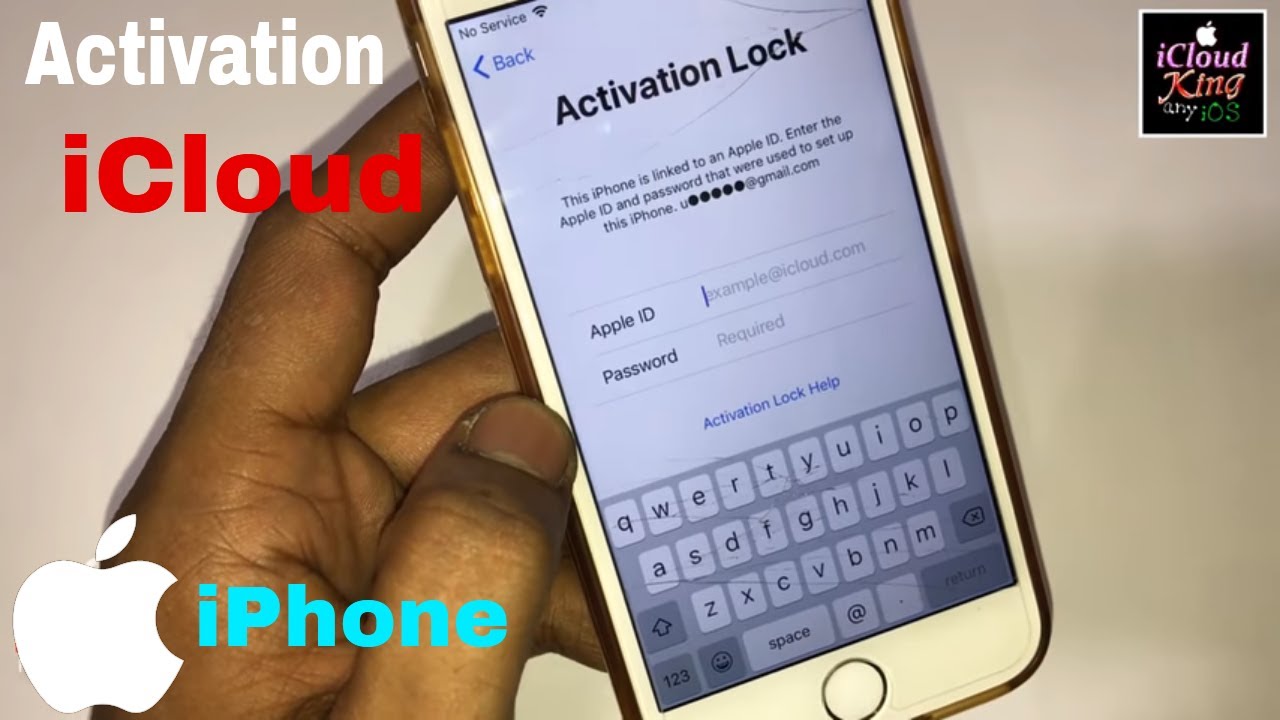
There are few things as frustrating as picking up an iPhone, perhaps a hand-me-down, a used purchase, or even your own device after a memory lapse, only to be greeted by the dreaded Activation Lock screen. It's a security feature designed to protect your device, but for those locked out without the original Apple ID or password, it transforms a valuable gadget into an expensive paperweight. But what if there was a way? The promise of being able to remove activation lock on iPhone without Apple ID or iCloud unlock is a tantalizing one, sparking hope for countless users. Let's delve into what this challenge entails and explore the avenues often discussed for overcoming it, even for the latest models like the iPhone 15 series.
The Activation Lock Dilemma: What It Is and Why It Matters
First, let's understand the gatekeeper. Activation Lock is a powerful security measure integrated into iOS devices, automatically enabled when you turn on "Find My iPhone." Its primary purpose is to deter theft by linking your device to your Apple ID. If someone steals your iPhone, they cannot simply wipe it and use it as their own. Without the original Apple ID and password, the device remains locked, rendering it unusable.
While an excellent anti-theft deterrent, Activation Lock becomes a significant hurdle in several legitimate scenarios:
- You purchased a second-hand iPhone but the previous owner didn't properly remove their Apple ID.
- You inherited a device from a family member who has since passed away or forgotten their credentials.
- You simply forgot your own Apple ID or password and can no longer access your account.
In these situations, the security feature designed to protect you feels like it's punishing you, turning your advanced smartphone into an inert object.
Exploring Paths to Bypass: The "No Apple ID" Challenge
The core of the challenge lies in bypassing a deeply integrated security system without the key (the Apple ID credentials). Apple's robust security infrastructure makes this incredibly difficult by design. However, the internet is rife with discussions and purported solutions claiming to offer a way out. These often fall into a few general categories:
-
Specialized Software Tools: Many third-party software tools claim to offer Activation Lock bypass services. These tools often work by exploiting specific vulnerabilities in the iOS system or by using DFU (Device Firmware Update) mode to inject custom firmware. They typically require connecting the iPhone to a computer and following a series of technical steps. The effectiveness and legitimacy of these tools can vary wildly, and they are frequently updated to keep pace with iOS security patches.
-
DNS Bypass Methods (Historically): In the past, some users explored DNS (Domain Name System) bypass methods. This involved changing the DNS server settings on the locked iPhone to redirect it to a third-party server that mimicked Apple's activation servers, sometimes allowing partial access to certain features. However, these methods were often temporary, limited in functionality, and have largely been patched and rendered ineffective by Apple in newer iOS versions.
-
Hardware Solutions: Less common and far more technical, some highly specialized hardware modifications have been discussed in niche communities. These usually involve physically altering components on the iPhone's logic board to bypass the activation check. This is an extremely risky approach, requires advanced soldering skills, and often results in a bricked device or compromised functionality.
It's important to recognize that Apple continually strengthens its security, meaning that what might have worked for an older iPhone or iOS version might not be effective for an iPhone 14 or 15 running the latest software.
Important Considerations and Potential Pitfalls
When seeking to remove Activation Lock without an Apple ID, it's crucial to proceed with caution and be aware of several important factors:
-
Legitimacy and Ethics: Always ensure you are attempting to unlock a device you rightfully own or have permission to unlock. Attempting to bypass Activation Lock on a stolen device is illegal and unethical.
-
Data Security and Privacy: Many third-party tools require access to your device. Be extremely wary of software from unverified sources, as they could potentially introduce malware or compromise your personal data.
-
Device Warranty and Functionality: Using unofficial methods or performing hardware modifications can void your device's warranty and potentially lead to permanent damage or loss of certain features (e.g., cellular connectivity, camera functions).
-
Success Rates: The success rate of bypass methods varies greatly depending on the iPhone model, iOS version, and the specific tool or technique used. What works for one person might not work for another.
-
Cost: Some reputable (and less reputable) services charge a fee for their bypass tools or services. Evaluate these costs carefully against the value of the device and the potential risks.
The most legitimate way to remove Activation Lock is always to have the original owner remove the device from their Apple ID account via iCloud.com or directly on one of their other Apple devices.
Conclusion
The quest to remove Activation Lock on an iPhone without an Apple ID or iCloud credentials is a complex one, born out of a genuine need for many users. While Apple's security measures are robust, discussions and various methods claiming to offer a bypass persist. As a user, it's vital to approach these solutions with a critical eye, prioritizing legitimate ownership, data security, and understanding the potential risks involved. If you find yourself in this predicament, thorough research and careful consideration of all options are your best allies in navigating the Activation Lock dilemma.


.png)
.png)


Follow Us