

App to create games on mobile | App de criar jogos pelo celular | App para crear juegos
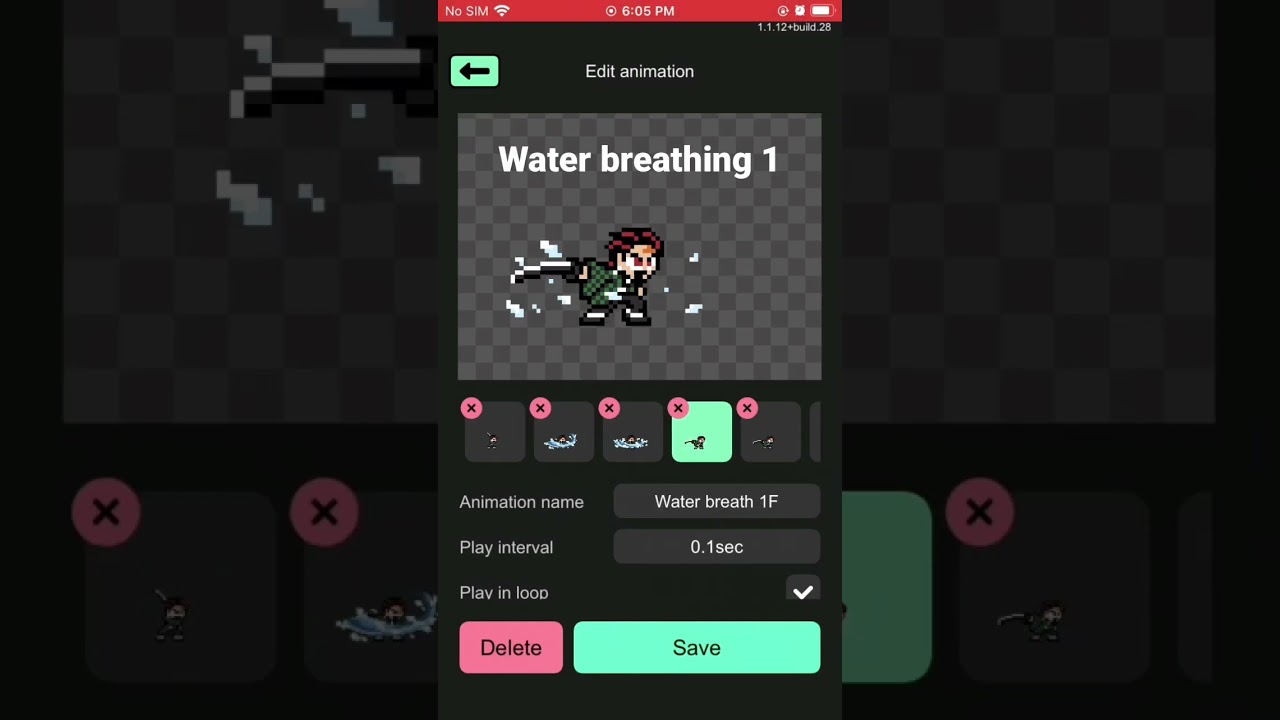
Ever dreamed of crafting your own virtual world, designing characters, or building the next viral puzzle sensation? For many, the idea of game development feels like a daunting task, reserved for seasoned coders and large studios. But what if I told you that the power to bring your game ideas to life is likely already in your pocket?
The concept of an "App to create games on mobile | App de criar jogos pelo celular | App para crear juegos" perfectly encapsulates a revolutionary shift: game creation isn't just for desktop anymore. Mobile applications are democratizing game development, putting powerful tools directly into the hands of aspiring creators, no matter their experience level. This isn't just a niche trend; it's a vibrant movement inviting a new generation to design, build, and share their interactive visions with the world, all from the convenience of their smartphone or tablet.
The Mobile Revolution in Game Development
Gone are the days when sophisticated game development required expensive software, powerful computers, and a deep dive into complex programming languages. The advent of dedicated mobile game creation apps has completely redefined the landscape. Your smartphone or tablet, once primarily a consumption device, is now a powerful creative hub, capable of handling everything from sprite design to level layout and basic scripting.
This shift means that inspiration can strike anywhere – on a commute, during a lunch break, or while lounging on the sofa – and you can immediately start building your concept. It's about empowering instant creativity, making game design accessible to anyone with a passion for pixels and play. This accessibility is fostering an incredible community of new developers who might never have touched game development otherwise, leading to a surge of fresh, innovative game ideas.
Finding Your Perfect Creative Partner
With a growing number of apps designed for game creation, choosing the right one can feel a bit overwhelming. Instead of just looking for a list of technical features, consider what kind of creative journey you want to embark on and what feels most intuitive to your personal style.
When exploring options, think about:
- User Interface and Experience: Is it a drag-and-drop system that simplifies logic, or does it offer more granular control over scripting for those who want to delve deeper? An intuitive interface is crucial for maintaining creative flow.
- Supported Game Types: Some apps excel in specific genres like platformers, puzzle games, or visual novels, while others offer more general-purpose tools that allow for greater flexibility. Match the app to the type of game you envision.
- Learning Curve and Resources: For beginners, apps with comprehensive tutorials, helpful documentation, and an active user community can be invaluable. The ability to quickly learn the ropes will prevent frustration and keep you motivated.
- Community and Sharing: A strong community around an app can be a massive asset. It offers support, inspiration, and a built-in audience for sharing your creations and getting valuable feedback.
The goal is to find an app that feels like a natural extension of your creative ideas, allowing you to focus on design and gameplay rather than fighting with complex tools.
From Concept to Playable Prototype: Getting Started
Once you've found an app that resonates with your creative style, the real fun begins. The beauty of mobile game development lies in its iterative nature and lower stakes. You don't need to aim for a blockbuster on your first try; instead, focus on learning, experimenting, and bringing small ideas to life.
- Start Simple: Begin with a small, manageable idea. A single-screen puzzle, a basic platformer level, or a simple tapping game. Focus on perfecting one core mechanic before adding complexity. This approach helps you learn the app's tools without getting overwhelmed.
- Learn by Doing: Dive into the app's tutorials and experiment with different tools. Don't be afraid to break things or try unconventional approaches – that's often how the most profound learning and innovative ideas happen. Practical application beats theoretical knowledge every time.
- Iterate and Refine: Your first version won't be perfect, and that's okay! Get feedback from friends, playtest your game yourself, and continuously refine your mechanics, visuals, and user experience. Mobile apps make this rapid iteration incredibly straightforward.
- Embrace Constraints: The limitations of mobile screens and processing power can actually spark incredible creativity. Think about touch controls, short play sessions, and engaging visuals that pop on a smaller display. Designing within constraints can lead to truly unique gameplay experiences.
The journey of game creation is as rewarding as the final product. Every bug fixed, every new mechanic implemented, and every moment of player enjoyment contributes to a growing sense of accomplishment.
Your Next Big Idea is Waiting
The availability of an "App to create games on mobile" is more than just a technological advancement; it's a testament to the democratization of creativity. It tears down the traditional barriers to entry, inviting anyone with a glimmer of an idea and a smartphone to become a game developer. It’s about making the magic of game design accessible to the masses.
So, if you've ever found yourself daydreaming about the games you'd like to play, perhaps it's time to stop dreaming and start building. Whether you aspire to create a complex RPG or a simple, addictive casual game, the tools are now literally in the palm of your hand. Your next big idea might just be a few taps away, waiting to be unleashed into the world.


.png)
.png)


Follow Us